Blog
Hyperpigmentation & Dark Spots During Ramadan — Causes, Care & Tips

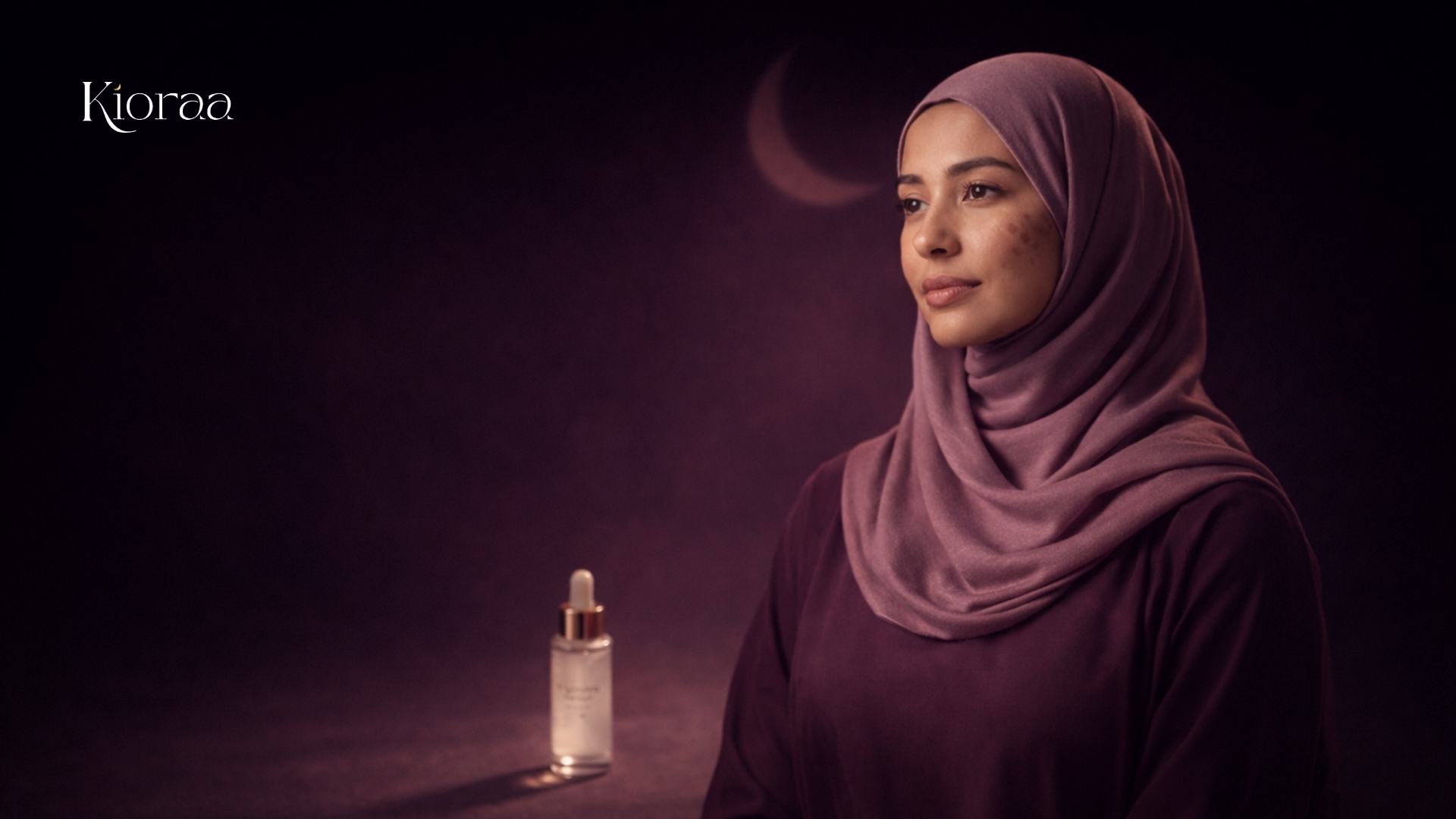
Ramadan and changes that affect pigmentation
Ramadan’s altered eating, sleeping, and activity patterns can change skin hydration, inflammation recovery, and sun exposure — all of which influence hyperpigmentation and dark spots. For persistent, rapidly worsening, or painful pigmentation, consult a dermatologist before starting new treatments.
What is hyperpigmentation, and what types to watch for
Hyperpigmentation is excess melanin production that appears as post‑inflammatory hyperpigmentation (PIH), melasma, or sunspots. PIH follows acne or irritation; melasma is often hormonal and worsened by light exposure; sunspots are UV‑driven. Identifying the type helps choose safer, Ramadan‑friendly strategies and avoid aggressive procedures while fasting.
How Ramadan habits can worsen or improve dark spots
Fasting can cause mild dehydration and shorter sleep windows, which may slow skin repair and prolong the fading of PIH. Reduced daytime sun exposure for many people during Ramadan can sometimes lessen UV‑driven darkening, but evening activities and inconsistent sunscreen use can offset that benefit. Balance and timing matter more than fasting alone.
Quick self‑check: signs Ramadan is affecting your pigmentation
- New or darker patches appearing after breakouts.
- Increased sensitivity or stinging when using usual activities.
- Slower fading of old spots despite consistent care.
If you see rapid spread, pain, or sudden colour changes, seek professional evaluation.
Pre‑Ramadan prep to protect pigment
Start before Ramadan to strengthen the skin barrier and reduce the risk of flare-ups.
- Hydrate internally and topically: increase water at suhoor/iftar and add humectants like hyaluronic acid.
- Repair the barrier: introduce a ceramide‑rich moisturiser and reduce exfoliation frequency.
- Introduce gentle brighteners: low‑concentration vitamin C or niacinamide, patch‑tested.
Preparing ahead reduces the chance of irritation when routines shift.
Night routine during Ramadan for fading dark spots
Apply actives after iftar when skin is less dehydrated, and you can rest:
- Cleanse with a gentle, non‑stripping cleanser to remove sunscreen and impurities.
- Targeted serum: choose a gentle vitamin C, niacinamide, or azelaic acid serum; apply thinly and monitor for irritation.
- Moisturise with ceramides or peptides to support overnight repair.
- Optional occlusive: a light occlusive layer helps lock in moisture for very dry skin.
Avoid introducing strong retinoids or high‑strength acids during Ramadan unless your skin is well‑hydrated and you’ve used them previously without issues.
Daytime care and sun protection while fasting
Broad‑spectrum sunscreen is essential to prevent darkening of existing spots and new UV‑driven pigmentation. Apply at suhoor and reapply if you go outdoors after iftar; for melasma or visible‑light sensitivity, consider tinted sunscreens with iron oxides. Antioxidant serums in the morning can help protect against oxidative stressors. Consistent sunscreen use is one of the most effective steps to protect against pigmentation.
Ingredients to use and avoid during Ramadan
Recommended ingredients:
- Niacinamide — reduces inflammation and evens tone.
- Azelaic acid — gentle brightening and anti‑inflammatory.
- Low‑strength vitamin C — antioxidant brightening when tolerated.
- Hyaluronic acid and ceramides — hydration and barrier repair.
Use with caution or reduce:
- High‑strength retinoids, frequent AHAs/BHAs, and professional peels while dehydrated or sleep‑deprived. Pause potent actives if you notice irritation and reintroduce slowly after Ramadan.
Professional treatments and timing considerations
Low‑risk in‑clinic options such as LED therapy or very mild superficial peels may be scheduled if hydration and sleep are stable. Deeper lasers, aggressive peels, and intensive resurfacing are best postponed until after Ramadan to avoid prolonged healing while fasting. Always consult a dermatologist to match treatment timing to your fasting schedule and skin condition.
Practical tips, troubleshooting, and Eid prep
- Carry a hydrating mist for quick moisture at iftar and suhoor.
- If a flare occurs, stop actives, increase hydration, use soothing ingredients such as niacinamide or azelaic acid, and monitor for improvement over 2–4 weeks.
- For Eid prep: avoid starting new strong treatments within two weeks of the event to prevent unexpected irritation.
Small, consistent steps beat aggressive changes during Ramadan.
Conclusion
Prioritize barrier repair and consistent sun protection during Ramadan—strengthen the skin barrier 1–2 weeks before fasting, time active brightening ingredients (niacinamide, azelaic acid, low‑strength vitamin C) for application after iftar, favor hydration and gentle serums over aggressive peels or high‑strength retinoids while fasting, and pause potent actives if irritation occurs; consult a dermatologist for rapidly worsening, painful, or persistent pigmentation before starting new treatments.