Showing 1–15 of 36 results
Filter by price
Product categories
- Body Care 25
- Hair Care 35
- Makeup 1
- Men’s Care 6
- Mother & Baby 3
- Personal Care 5
- Shop by Concern 261
- Skin Care 561
- Cleansers 100
- Exfoliators 28
- Eye Care 16
- Facial Kits 8
- Lip Care 14
- Makeup Removers 1
- Masks & Peels 43
- Moisturizers 129
- Face Cream 99
- Face Lotion 12
- Gel Cream 11
- Night Cream 3
- Serums & Treatments 122
- Ampoule 24
- Face Oil 6
- Serum 85
- Spot Treatment 4
- Sunscreen 46
- Toners & Essences 76
- Tools & Accessories 3
- Hair Wax & Clay 1
- Heat Protectant Spray 2
Brands
 3W Clinic3W Clinic 1
 AbibAbib 1
 AnuaAnua 1
 APLBAPLB 2
 Beauty of JoseonBeauty of Joseon 3
 BiodermaBioderma 2
 CeraVeCeraVe 3
 CetaphilCetaphil 1
 COSRXCOSRX 2
 iUNIKiUNIK 1
 K-SecretK-Secret 1
 Mary & MayMary & May 1
 NeutrogenaNeutrogena 4
 NiveaNivea 2
 PURITOPURITO 2
 Round LabRound Lab 3
 SKIN1004SKIN1004 4
 TIA'MTIA'M 1
 TRESemmeTRESemme 1


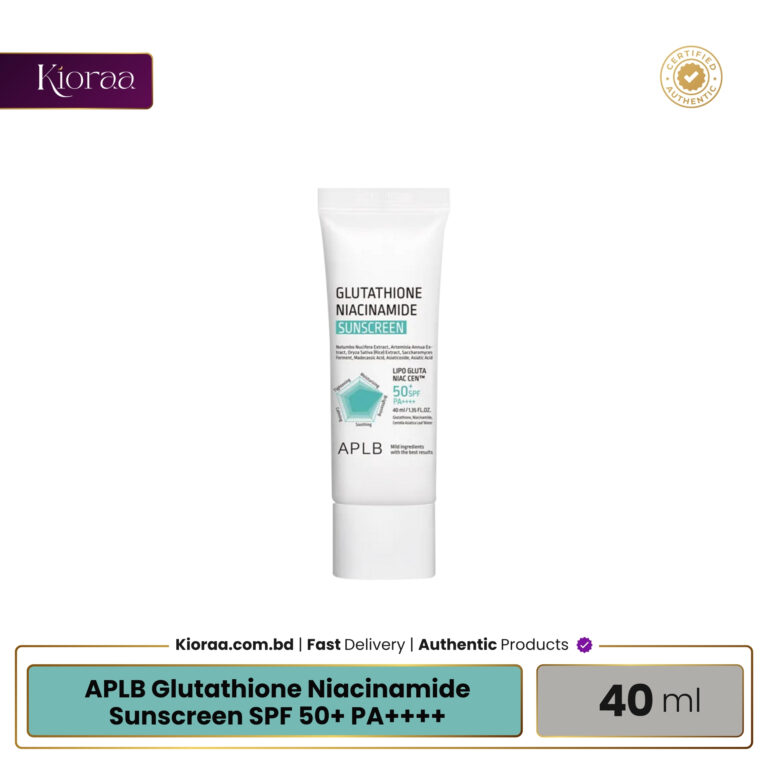
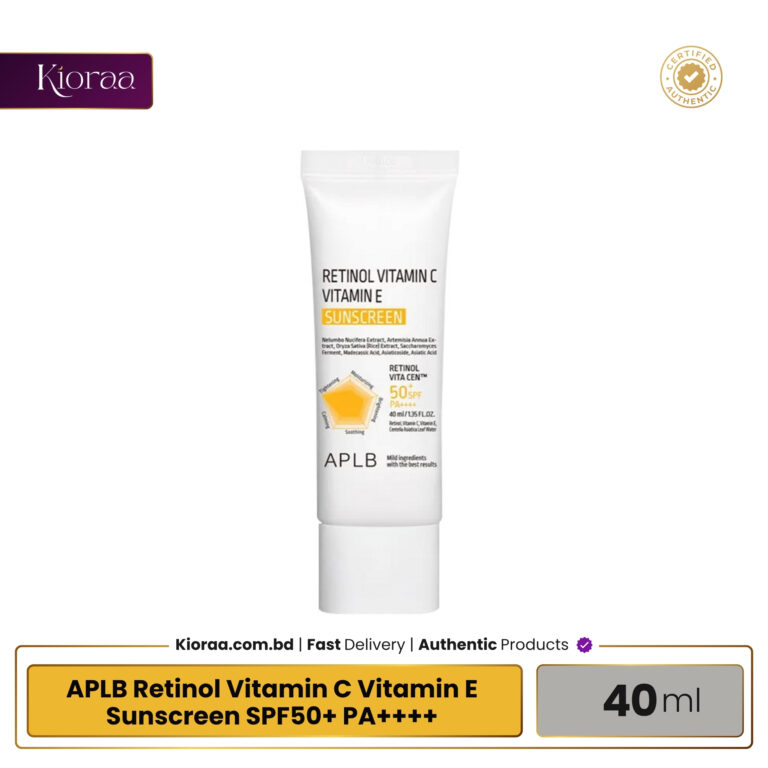


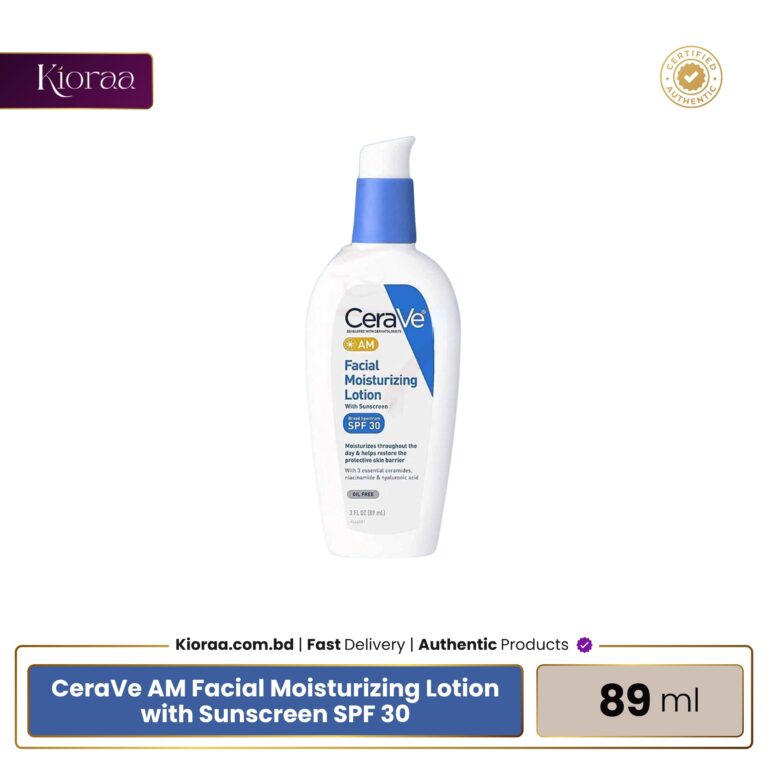
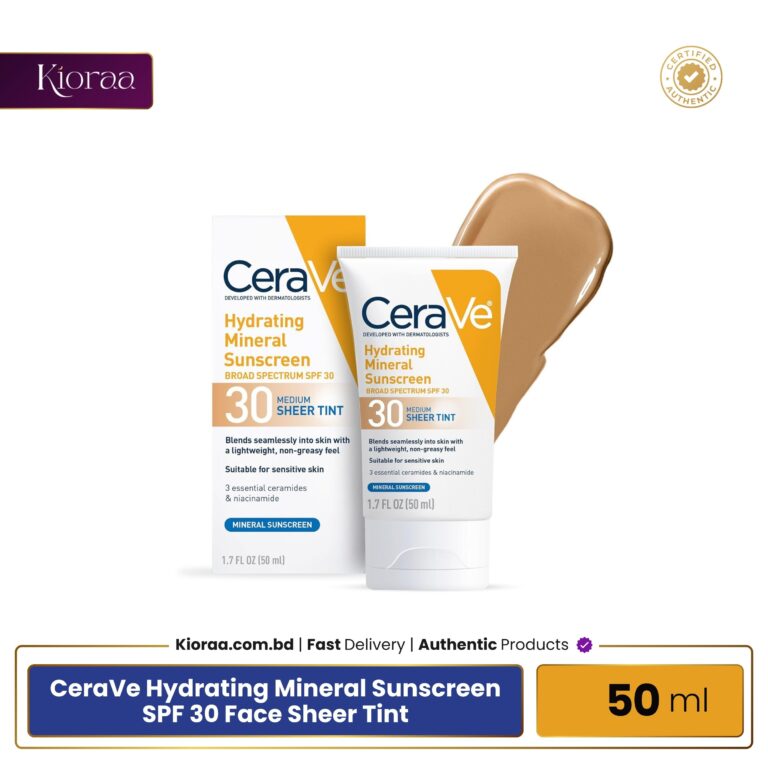
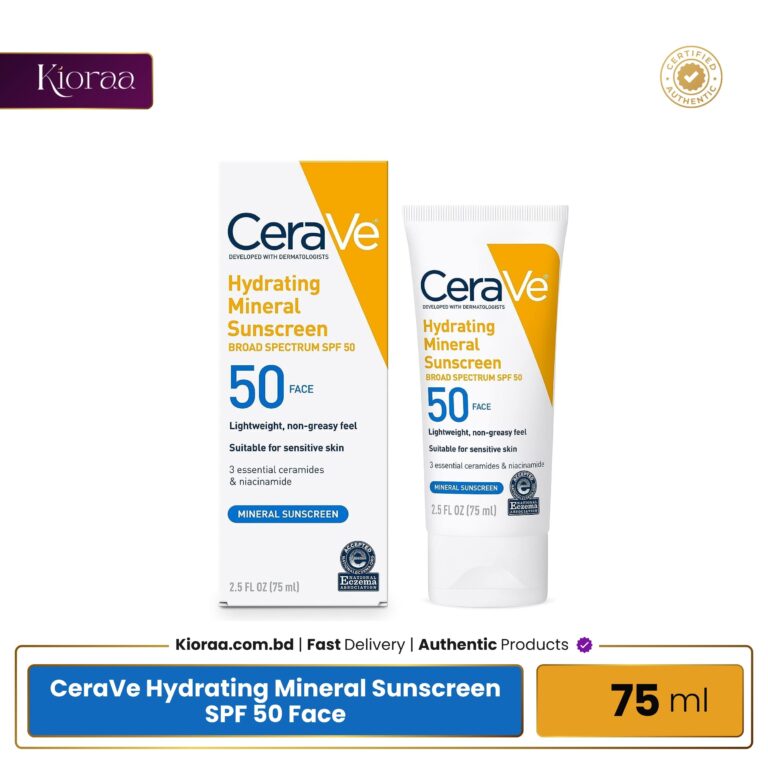
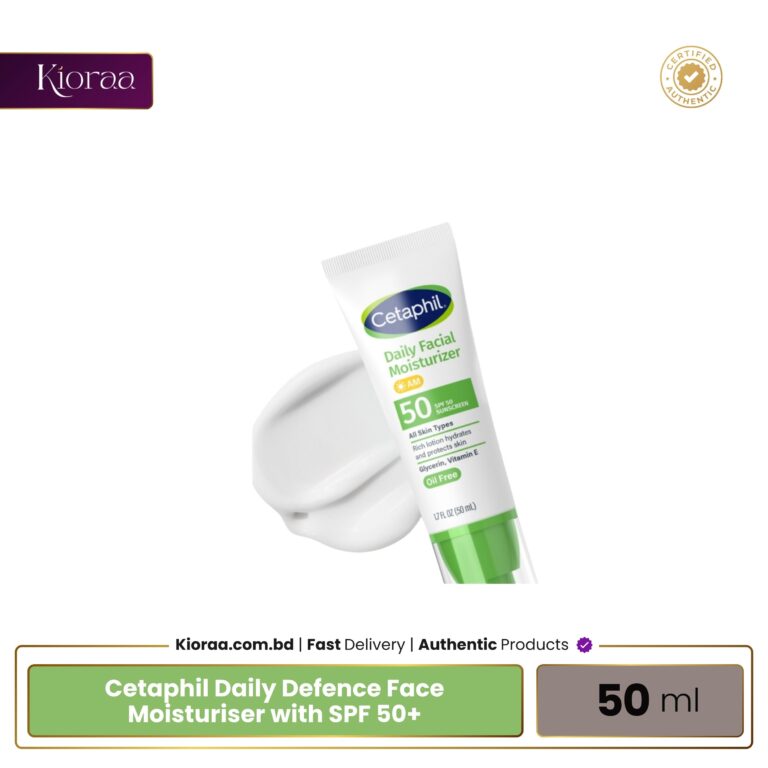
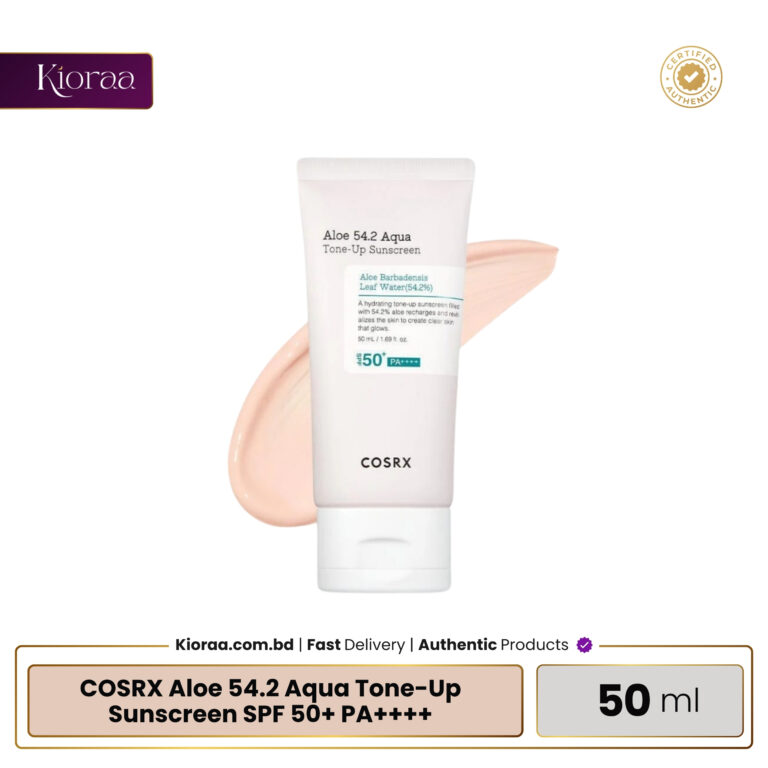
Recently Viewed Products
Shop sun protection products in Bangladesh with face sunscreen, body sunscreen and routine guidance for oily, dry, sensitive and acne-prone skin.
Sun Protection Products in Bangladesh for Daily Skincare
If your skin looks dull, dark spots appear more noticeable, sunscreen feels greasy, or makeup pills after SPF, the problem may be product fit. Sun protection should match your skin type, texture preference, and daily routine.
For Bangladesh weather, sunscreen texture matters. Heat, humidity, sweat, and regular outdoor movement can make heavy formulas hard to use every day. A good sun protection routine should feel comfortable enough to keep using.
Kioraa’s Sun Protection section helps you explore Face Sunscreen, Body Sunscreen, Sun Stick, and related sunscreen options by skin type, texture, and concern.
Shop Sun Protection Products at Kioraa
Kioraa’s Sun Protection page is made for customers who want daily sun care options for the face, body, outdoor routines, and concern-based skincare needs.
You can explore sunscreen products by product type, such as Face Sunscreen, Body Sunscreen, and Sun Stick. This page works as a concern-based discovery section, while each product should still stay under its correct product category.
That makes shopping easier if your main concern is sun exposure, oily skin, pigmentation, dark spots, acne marks, or sunscreen that feels too heavy in humid weather.
The main goal is simple: choose sun protection you can use consistently, not only on beach days or special outdoor plans.
Who Should Use Sun Protection Products?
Sun protection products are useful for anyone exposed to daylight during the day. This includes students, office-goers, makeup users, outdoor commuters, and people working on dark spots, pigmentation, acne marks, or uneven tone.
Sunscreen is not only for summer holidays. Daily exposure can happen while commuting, sitting near windows, going to university, shopping, or running errands.
Daily Sun Exposure
Use sunscreen during the day when your skin is exposed to sunlight, outdoor heat, or strong daylight.
In Dhaka or Chattogram routines, sun exposure often happens in small moments: walking to transport, waiting outside, moving between class and home, or going out during office hours.
A comfortable daily sunscreen is easier to maintain than a heavy one you keep avoiding.
Dark Spots, Pigmentation and Acne Marks
Sun protection can support routines for dark spots, pigmentation, acne marks, and uneven tone.
It does not remove pigmentation by itself. It helps protect the skin from daily sun exposure, which can make marks and uneven tone look more noticeable over time.
If pigmentation is your main concern, Kioraa’s Pigmentation & Dark Spots section can help you browse related skincare options along with sunscreen.
Oily, Sensitive or Acne-Prone Skin
Oily, sensitive, and acne-prone skin often needs more careful sunscreen selection.
Oily skin may prefer lightweight, non-greasy, watery, gel, or matte-finish textures. Sensitive skin may need a formula that feels comfortable and does not sting. Acne-prone skin should check texture and label claims carefully.
For related concerns, Oil Control & Pore Care, Sensitive Skin & Barrier Care, and Acne & Breakouts can help guide product discovery.
What SPF, PA and Broad-Spectrum Mean
SPF, PA, and broad-spectrum are sunscreen label terms that help explain the type of sun protection a product offers.
SPF mainly relates to UVB protection. UVB is commonly connected with sunburn. PA is often used on Asian sunscreens to show UVA protection. UVA is commonly linked with longer-term sun exposure concerns such as pigmentation and uneven-looking tone.
Broad-spectrum means the sunscreen is designed to protect against both UVA and UVB. Always verify these claims from the product label before choosing a specific sunscreen.
For daily use, many users look for sunscreen with verified SPF, PA, or broad-spectrum claims. Your final choice should depend on skin type, routine, texture preference, and daily sun exposure.
Product Types to Choose for Sun Protection
Start with the product type before choosing a brand. Different sun protection formats work better for different areas and routines.
Face Sunscreen
Face Sunscreen is the main product type for daily facial sun protection.
Choose based on skin type and comfort. Oily skin may prefer lightweight or gel textures. Dry skin may prefer a creamier texture. Sensitive skin should check product details carefully and avoid formulas that repeatedly sting.
Kioraa’s Face Sunscreen category can help you compare sunscreen options made for facial use.
Body Sunscreen
Body Sunscreen is useful for areas such as the arms, hands, neck, shoulders, and feet when they are exposed to the sun.
This matters for outdoor travel, long commutes, campus routines, beach trips, sports, or daytime events. Many people apply sunscreen on the face but forget the neck and hands.
If you spend time outdoors, Body Sunscreen can be a practical addition to your routine.
Sun Stick and Reapplication Products
Sun Stick products can be useful for portable reapplication during the day.
They may feel convenient for students, office-goers, and outdoor users who do not want to carry a full-size sunscreen tube. The amount applied still matters, so product instructions should always be checked.
Sun sticks can be helpful for touch-ups on areas that receive more sun exposure, such as the cheeks, nose, forehead, and hands.
How to Choose Sunscreen by Skin Type
The right sunscreen is the one that suits your skin and feels comfortable enough to use regularly.
Oily Skin
Oily skin usually does better with lightweight, non-greasy, gel, watery, or matte-finish sunscreen textures.
If sunscreen makes your face shiny within an hour, feels sticky, or pills under makeup, the texture may be too heavy for your routine. Look for product labels such as oil-free or non-comedogenic only when the brand clearly states them.
For shine and greasy texture concerns, Kioraa’s Oil Control & Pore Care section can help you browse related options.
Dry Skin
Dry skin may prefer a sunscreen with a creamier or more moisturizing feel.
If your skin feels tight after sunscreen, apply moisturizer first and choose a sunscreen texture that feels comfortable over it. During winter, dry skin may need more moisture support before sunscreen.
Kioraa’s Moisturizer category can be useful if sunscreen alone does not feel comfortable on dry skin.
Sensitive Skin
Sensitive skin should choose sunscreen carefully because some formulas may sting or feel irritating.
Some users prefer mineral sunscreen or fragrance-free options, but this is not a rule for everyone. The full formula and your skin tolerance matter more than one label.
If your skin stings often, browse Sensitive Skin & Barrier Care for gentler routine support and check product details before buying.
Acne-Prone Skin
Acne-prone skin usually needs sunscreen that feels light and does not leave a heavy layer.
Check claims such as non-comedogenic or oil-free only when they are verified on the product label. At night, remove sunscreen properly so residue does not mix with makeup, sweat, and daily buildup.
For breakouts, Acne & Breakouts can help you explore related concern-based skincare.
Sun Protection Routine for Bangladesh Weather
A sun protection routine for Bangladesh should be practical. If sunscreen feels too greasy, sticky, or heavy, most people stop using it regularly.
Summer and Humid Weather
During summer, lightweight textures usually feel better. Gel, watery, non-greasy, or matte sunscreen textures may feel more comfortable for oily and combination skin.
Sweat can affect how sunscreen feels and wears through the day. If you spend time outdoors, reapplication becomes more important.
Avoid heavy layering before sunscreen if your skin already feels oily.
Monsoon Weather
Monsoon humidity can make sunscreen feel sticky, even when the weather is cloudy.
A lighter sunscreen texture may feel more wearable during this season. Let moisturizer settle before sunscreen, and avoid applying too many serum or cream layers in the morning.
Cloudy weather does not mean your skin gets no sun exposure. Keep sunscreen in your daytime routine when you are exposed to daylight.
Winter and Indoor Days
Sunscreen can still be useful in winter if your skin is exposed to daylight.
In winter, the texture choice may change. Dry skin may need moisturizer before sunscreen, while oily skin may still prefer a lightweight formula.
If you stay indoors but sit near windows or go outside during the day, sunscreen can remain part of your routine.
How to Use Sunscreen With Moisturizer and Makeup
Use sunscreen as the last skincare step in the morning, before makeup.
Your routine can stay simple: cleanser, toner or serum if used, moisturizer if needed, then sunscreen. After sunscreen settles, apply primer, foundation, cushion, or compact powder.
Morning Routine Order
Apply sunscreen after moisturizer and before makeup.
If your skin is oily, use a small amount of lightweight moisturizer or skip moisturizer only if the sunscreen itself feels moisturizing enough. If your skin is dry, moisturizer before sunscreen may help the skin feel more comfortable.
Do not mix sunscreen into moisturizer or foundation unless the product specifically says to use it that way.
Sunscreen Under Makeup
Sunscreen can work under makeup if the layers are light and well-settled.
Pilling usually happens when products do not layer well, when too much product is applied, or when each layer is not given enough time to settle.
Use smaller amounts of serum and moisturizer in the morning. Apply sunscreen evenly, wait, then apply makeup gently.
Night Cleansing After Sunscreen
Sunscreen should be removed properly at night, especially if you also wear makeup.
A Cleansing Balm or Cleansing Oil can help remove sunscreen, primer, foundation, cushion, and long-wear base products before your regular cleanser. Choose a texture that rinses well and suits your skin.
Kioraa’s Cleansers section can help you complete the night routine after sunscreen removal.
Common Sun Protection Mistakes to Avoid
Most sunscreen problems come from wrong texture, poor layering, or inconsistent use.
Avoid these common mistakes:
Using sunscreen only on sunny days.
Skipping sunscreen because you are indoors all day.
Applying too little product.
Forgetting the neck, ears, hands, or exposed body areas.
Not reapplying during long outdoor exposure.
Choosing a heavy texture that you dislike using.
Applying too many layers before sunscreen.
Not removing sunscreen properly at night.
Expecting sunscreen to remove dark spots by itself.
A good sunscreen routine should feel realistic. Choose a product texture you can use regularly, then build the habit.
When Should You See a Dermatologist?
See a qualified dermatologist if you have severe sunburn, painful irritation, swelling, blistering, or a reaction that keeps coming back after sunscreen use.
You should also seek professional advice for persistent pigmentation, melasma-like patches, or dark spots that do not improve with a consistent routine.
Skincare and sunscreen can support daily sun care, but persistent or severe skin concerns may need professional guidance.
FAQs About Sun Protection Products
What are the best sun protection products in Bangladesh?
The right choice depends on your skin type, texture preference, and daily sun exposure. Start with a comfortable Face Sunscreen, then add Body Sunscreen or Sun Stick if your routine needs it.
Which sunscreen is good for Bangladesh weather?
A lightweight, non-greasy, gel, watery, or matte sunscreen may feel better in hot and humid weather. Dry skin may prefer a more moisturizing texture.
What SPF should I use daily?
Many users choose daily sunscreen with verified SPF and broad-spectrum protection. Check the product label and choose based on your skin type, routine, and sun exposure.
What does PA mean in sunscreen?
PA is a sunscreen rating commonly used to show UVA protection. Exact PA claims should always be checked from the product label.
Is sunscreen needed indoors?
Sunscreen can still be useful indoors if you sit near windows or go outside during the day. Your need depends on daylight exposure and routine.
Should I use sunscreen in winter?
Yes, sunscreen can still be part of your winter daytime routine. You may need a more comfortable texture if your skin feels dry.
Which sunscreen is good for oily skin?
Oily skin often prefers lightweight, non-greasy, watery, gel, or matte-finish sunscreen. Verify oil-free or non-comedogenic claims from the label.
Which sunscreen is good under makeup?
A sunscreen that settles well, does not feel greasy, and does not pill is better under makeup. Lightweight textures usually work better for oily or combination skin.
How often should I reapply sunscreen?
Reapply sunscreen during long outdoor exposure, especially after sweating or wiping your face. Follow the product label for specific reapplication guidance.
Why does sunscreen make my face oily?
Sunscreen may feel oily if the texture is too rich, if you apply too many layers underneath, or if the formula does not suit your skin type.
Why does sunscreen leave a white cast?
White cast can happen with some sunscreen formulas, especially on deeper skin tones. Check product texture, finish, and user guidance before choosing.
Can sunscreen help with dark spots and pigmentation?
Sunscreen can support a dark spot or pigmentation routine by helping protect the skin from daily sun exposure. It should not be treated as a spot-removal product by itself.
Explore Sun Protection at Kioraa
If sunscreen feels greasy, leaves a cast, stings, or does not work well under makeup, start with the product type and texture.
Explore Kioraa’s Sun Protection section to find Face Sunscreen, Body Sunscreen, Sun Stick, and related sun care options for daily routines.
For more specific concerns, you can also browse Oil Control & Pore Care, Sensitive Skin & Barrier Care, Pigmentation & Dark Spots, Dullness & Uneven Texture, Korean Skincare, and Bestsellers. Choose products by skin type, routine comfort, and verified label details.