Showing all 8 results
Filter by price
Product categories
- Body Care 25
- Hair Care 35
- Makeup 1
- Men’s Care 6
- Mother & Baby 3
- Personal Care 5
- Shop by Concern 261
- Skin Care 561
- Cleansers 100
- Exfoliators 28
- Eye Care 16
- Facial Kits 8
- Lip Care 14
- Makeup Removers 1
- Masks & Peels 43
- Moisturizers 129
- Face Cream 99
- Face Lotion 12
- Gel Cream 11
- Night Cream 3
- Serums & Treatments 122
- Ampoule 24
- Face Oil 6
- Serum 85
- Spot Treatment 4
- Sunscreen 46
- Toners & Essences 76
- Tools & Accessories 3
- Hair Wax & Clay 1
- Heat Protectant Spray 2
Origin
- France 3
- France / India 3
- Japan 1
- USA 1
Brands


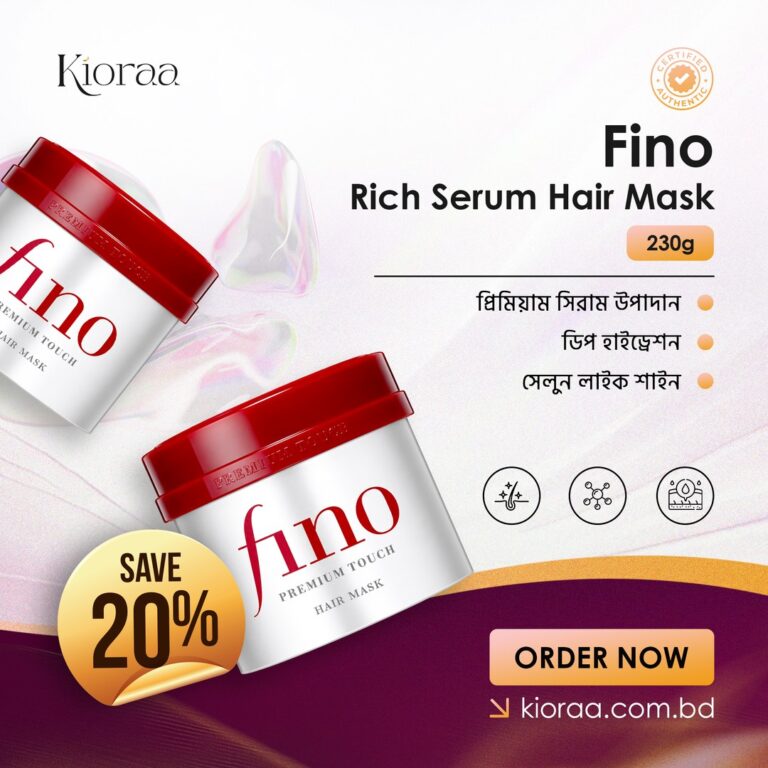
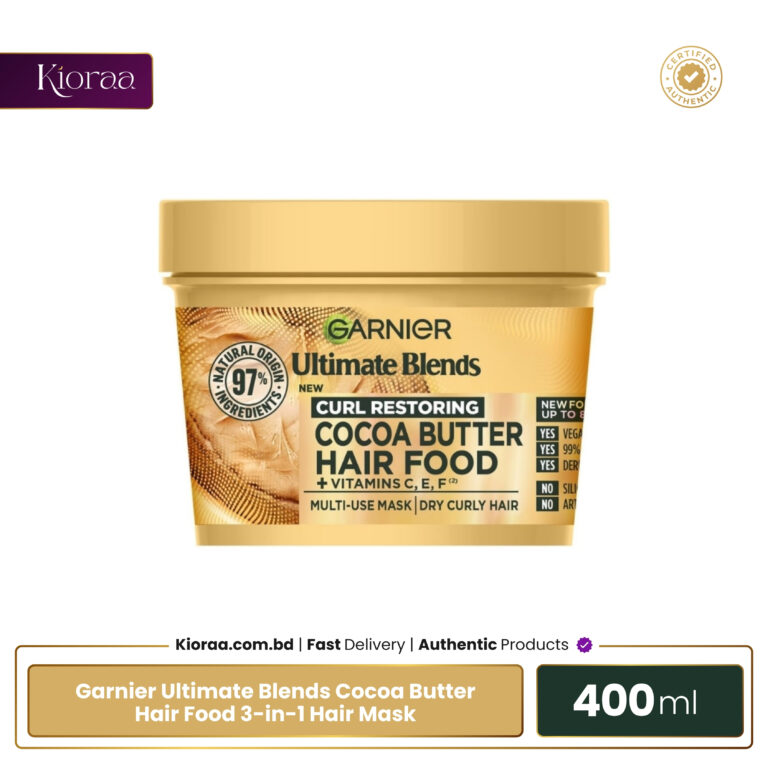
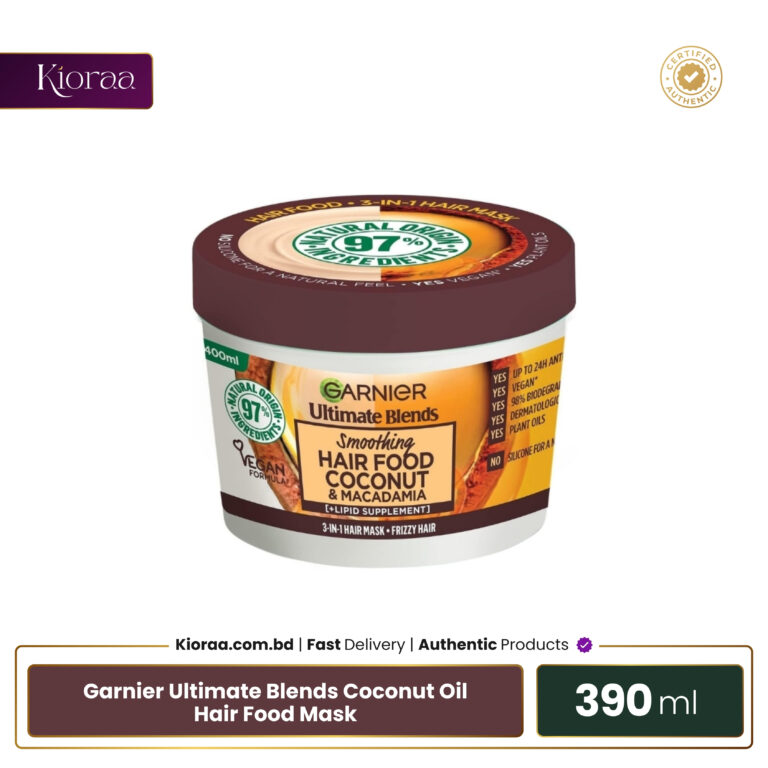
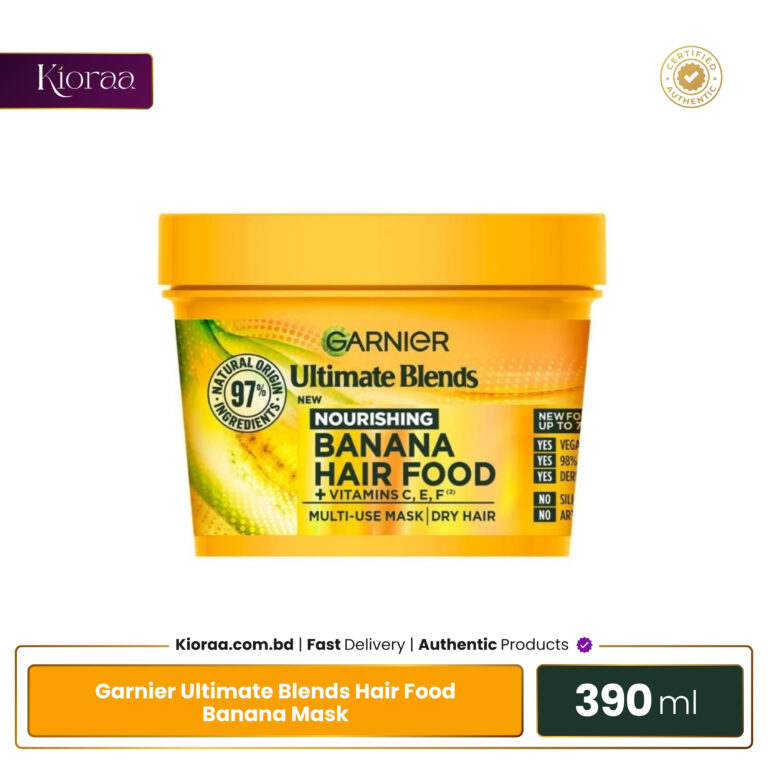

Recently Viewed Products
Shop hair treatment products in Bangladesh for hair fall, dandruff, dry scalp, frizz and damaged hair with routine and buying guidance from Kioraa.
Hair Treatment Products in Bangladesh for Hair and Scalp Care
Hair treatment products in Bangladesh should be chosen by the problem you are trying to solve, not just by the product name. Hair fall, breakage, dandruff, dry scalp, frizz, and damaged lengths all need different types of care.
In hot, humid weather, heavy oils or rich masks can feel greasy if they are used too often or applied in the wrong place. During winter, the scalp and hair lengths may feel drier. A good choice depends on your scalp type, hair condition, texture preference, routine, and verified product label.
Kioraa’s Hair Treatments category helps you explore treatment products for scalp care, hair fall support, dandruff care, frizz control, dry lengths, and damaged hair.
Shop Hair Treatment Products at Kioraa
Kioraa’s Hair Treatments category is for customers looking for targeted products for common hair and scalp concerns.
This page belongs under Hair Care because hair treatments are functional hair care products. Depending on Kioraa’s live catalog, this category may include scalp serums, hair tonics, hair masks, hair oils, hair serums, leave-in treatments, conditioners, anti-dandruff shampoos, and other treatment formats.
Use this page to compare product types before choosing a specific item. A scalp treatment is not the same as a hair mask. A hair serum is not the same as hair oil. An anti-dandruff shampoo should not be used like a regular daily shampoo unless the product label supports that use.
Before buying, check the product size, expiry date, ingredient list, usage instructions, scalp or hair type suitability, and verified claims such as sulfate-free, silicone-free, anti-dandruff, color-safe, clinically tested, or suitable for sensitive scalp.
Start With Your Hair Concern
Start with the concern first, then choose the product type.
People usually look for hair treatments because they notice hair fall, flakes, frizz, roughness, or damaged ends. These concerns do not come from the same cause. One product will not suit every hair problem.
Hair Fall vs Hair Breakage
Hair fall and hair breakage are different concerns.
Hair fall usually means hair is shedding from the root. You may see full strands, sometimes with a small bulb at the end. Hair breakage means the strand snaps from the middle or ends. This can happen because of dryness, heat styling, coloring, rough brushing, or weak hair lengths.
If your main issue is shedding from the root, explore scalp-focused products and Hairfall & Thinning options carefully. If your hair is breaking from the lengths, look at conditioner, hair mask, serum, leave-in treatment, and heat protection support.
Sudden, severe, patchy, or persistent hair fall should be checked by a dermatologist.
Dandruff vs Dry Scalp
Dandruff and dry scalp can both look like flakes, but they may need different routines.
Dandruff often comes with flakes, oiliness, itch, or scalp buildup. Dry scalp may feel tight, dry, or flaky, especially in winter or after harsh cleansing.
If the scalp feels oily and flaky, an anti-dandruff shampoo or Dandruff & Scalp Care product may be useful. If the scalp feels dry and tight, harsh washing or strong formulas may make it feel worse.
If flakes come with redness, pain, swelling, oozing, thick scaling, or repeated irritation, get professional advice.
Frizz, Dryness and Damaged Lengths
Frizz, dryness, and damaged lengths usually need hair-length care, not only scalp products.
A hair serum or leave-in treatment may help hair feel smoother and easier to manage. A hair mask or deep conditioner may feel better for dry, rough, color-treated, or heat-damaged hair.
Split ends cannot be permanently repaired by a product. Treatments may make the hair feel smoother, but trimming may still be needed for damaged ends.
Types of Hair Treatment Products
Different hair treatment products have different jobs. Choose based on where the problem is: scalp, roots, mid-lengths, or ends.
Anti-Dandruff Shampoo and Scalp Cleansers
Anti-dandruff shampoos and scalp cleansers are used for scalp concerns such as flakes, oiliness, buildup, and dandruff-prone scalp.
Some formulas may include ingredients such as salicylic acid, zinc pyrithione, ketoconazole, selenium sulfide, tea tree oil, or other scalp-focused ingredients. These claims must be verified from the product label before publishing product-specific content.
Use anti-dandruff products according to label instructions. Overusing strong scalp products may cause dryness or irritation for some users.
Hair Oil and Pre-Wash Treatments
Hair oil is usually used before washing or on dry lengths, depending on the product instructions.
For dry hair, rough ends, or pre-wash care, hair oil may help the hair feel softer. For oily scalp users, heavy oiling can feel greasy or uncomfortable, especially in summer.
If your scalp gets oily quickly, use oil carefully and avoid leaving heavy oil on the scalp for too long unless the product label suggests it.
Hair Serum and Leave-In Treatments
Hair serum and leave-in treatments are usually used after washing on damp or dry hair lengths.
They may help with frizz, roughness, shine, and manageability. In humid weather, a lightweight serum may feel more practical than heavy oil.
Apply mainly to the mid-lengths and ends unless the product label says it is safe for scalp use. Too much serum can make hair look flat or greasy.
Hair Masks and Deep Conditioners
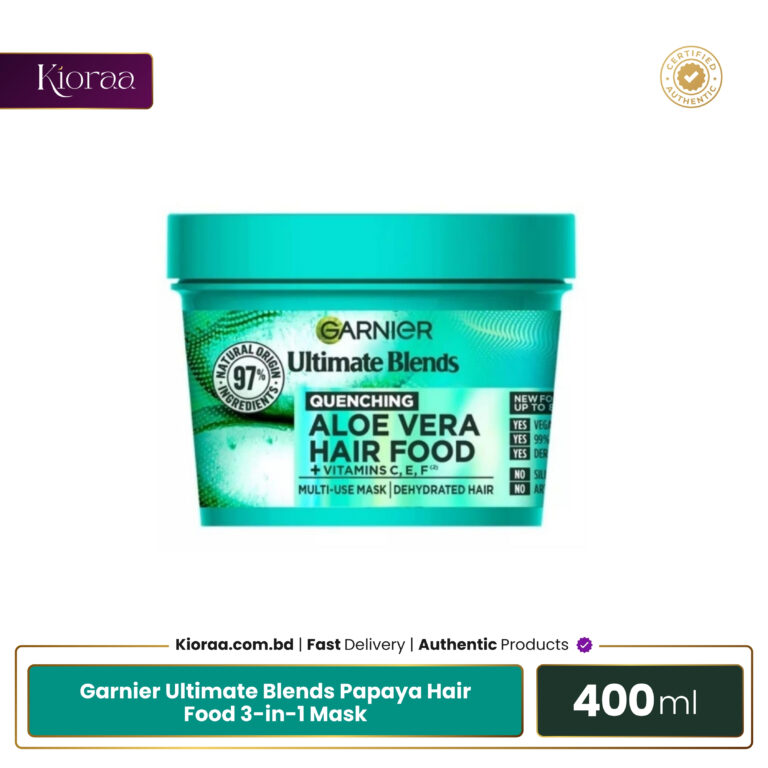
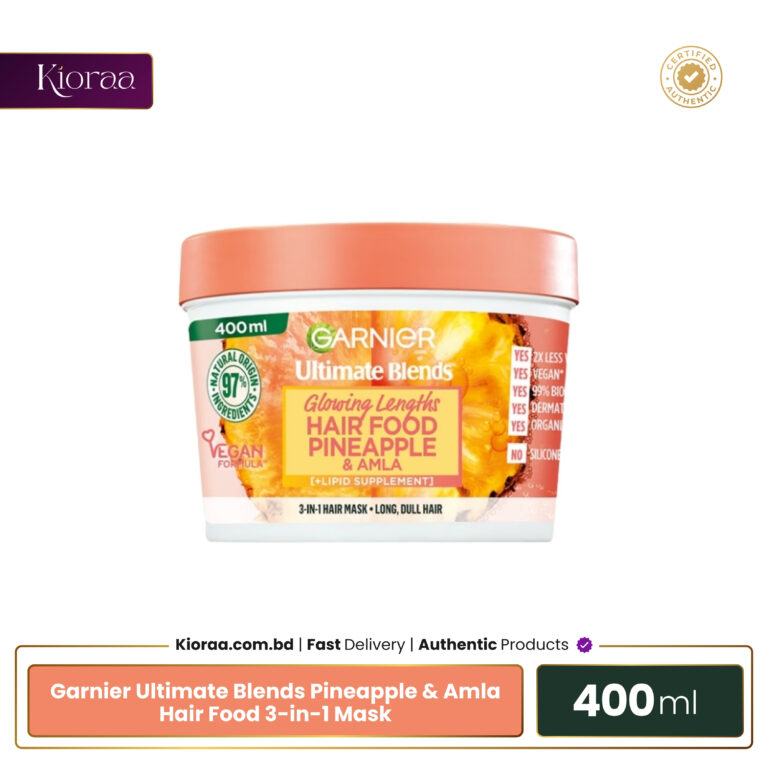
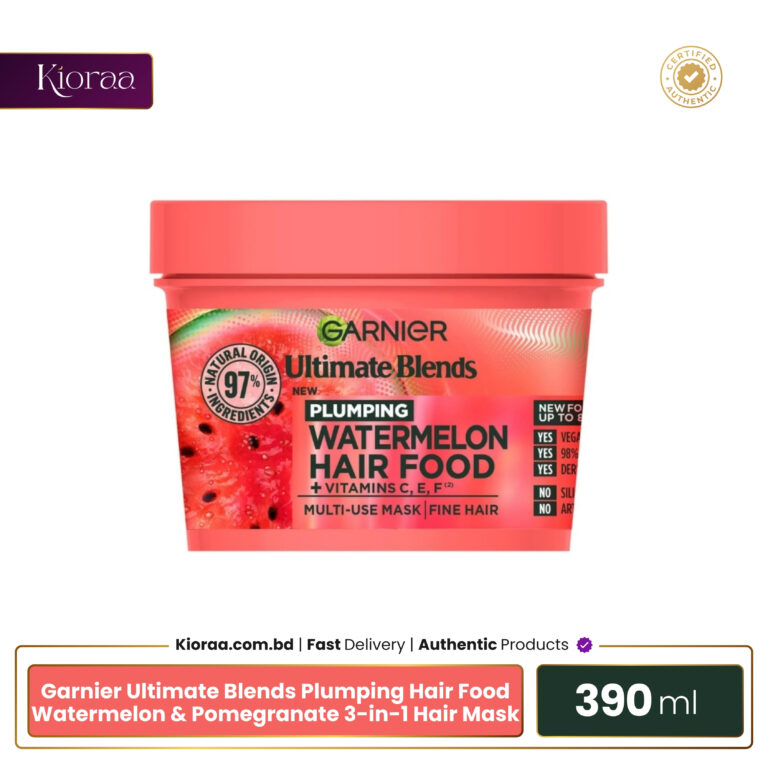
Hair masks and deep conditioners are used for dry, rough, frizzy, damaged, or color-treated hair lengths.
They are usually not needed every day. Many people use them weekly or as directed by the product label.
A hair mask may feel more supportive than regular conditioner when the hair feels very dry. Fine or oily hair may need a lighter formula because too much richness can weigh the hair down.
Scalp Serums, Tonics and Ampoules
Scalp serums, tonics, and ampoules are focused on the scalp, not the hair lengths.
Some are marketed for hair fall support, scalp comfort, oily scalp, or scalp care routines. Claims around hair growth, hair fall control, and thinning must be verified carefully.
Apply these products only as directed. If hair loss is sudden, severe, patchy, or linked with scalp symptoms, product shopping should not replace a dermatologist consultation.
How to Choose by Hair and Scalp Type
The same hair treatment product will not suit everyone. Choose by scalp type first, then look at the condition of your hair lengths.
Oily Scalp and Flat Hair
Oily scalp usually needs lighter, scalp-friendly products.
Look for Hair Wash options that cleanse without making the scalp feel uncomfortable. Lightweight hair serums may suit the lengths better than heavy oils during hot or humid days.
Avoid applying thick oils, masks, or leave-in products close to the scalp if your roots get oily quickly.
Dry Hair and Rough Lengths
Dry hair and rough lengths usually need moisture and smoothing support.
Hair masks, conditioners, leave-in treatments, hair oils, or hair serums may help the hair feel softer and easier to manage. Focus these products on the mid-lengths and ends.
If the scalp is oily but the ends are dry, treat them separately. Use lighter scalp care and richer products only on the dry lengths.
Damaged or Color-Treated Hair
Damaged or color-treated hair may need gentle cleansing and more support on the lengths.
Hair masks, conditioners, serums, leave-in treatments, and heat protectants may help reduce the look and feel of roughness. Claims such as color-safe, bond repair, keratin, protein treatment, or heat protection should be verified on the label.
Do not overuse protein-heavy or active-heavy treatments. Some hair types can feel stiff or dry when too many strong products are layered together.
Sensitive or Itchy Scalp
Sensitive or itchy scalp needs a cautious routine.
Strong fragrance, essential oils, medicated shampoos, exfoliating scalp products, or frequent product changes may bother some users. A fragrance-free or gentle scalp product may be preferred, but the claim must be verified.
If itching is persistent, painful, spreading, or linked with rash, flakes, swelling, oozing, or hair loss, see a dermatologist.
Hair Treatment Routine for Bangladesh Weather
Hair treatment routines should change with weather, sweat, and scalp comfort.
Heat, humidity, dust, helmets, hijab use, gym routines, and long commutes can make the scalp feel oily or heavy. Monsoon weather can make frizz worse. Winter can make the scalp and hair lengths feel drier.
Summer and Sweat-Prone Scalp
In summer, keep scalp products lightweight and avoid heavy layering.
If your scalp sweats easily, choose treatment products that do not feel greasy or heavy. Use hair oil carefully, especially before going out.
For oily scalp, regular cleansing with a suitable Hair Wash product may feel more practical than using many leave-in scalp products.
Monsoon Frizz and Scalp Buildup
Monsoon humidity can make hair look frizzy, flat, or sticky.
A lightweight hair serum or leave-in product may help the lengths feel smoother. For scalp buildup, choose cleansing products based on scalp condition and product instructions.
Avoid using heavy oil, mask, and serum together if your hair already feels weighed down.
Winter Dryness and Rough Hair
Winter can make hair lengths feel rough and the scalp feel drier.
A richer conditioner, hair mask, or pre-wash oil may feel more useful during this season. Apply heavier products mainly to the lengths if your scalp gets oily.
If dryness comes with severe itching, redness, flakes, or irritation, do not keep switching products without professional advice.
Hair Treatment Routine Order
A simple order helps you use products correctly.
For pre-wash care, use hair oil or scalp treatment only if the product label supports that use. Then cleanse with a suitable shampoo or Hair Wash product.
After shampoo, use conditioner or hair mask on the lengths. A hair mask is usually used less often than conditioner, depending on product instructions.
After towel-drying, apply hair serum or leave-in treatment to the mid-lengths and ends. Scalp serums or tonics should be applied only to the scalp and only as directed.
Do not use every treatment in one routine. Start with the product that matches your main concern.
Ingredients and Claims to Check Before Buying
Ingredient names can help, but they do not tell the full story.
Hair treatment products may include ingredients such as caffeine, rosemary oil, biotin, keratin, protein, argan oil, coconut oil, tea tree oil, salicylic acid, zinc pyrithione, ketoconazole, selenium sulfide, panthenol, niacinamide, or glycerin, depending on the product.
For dandruff-prone scalp, check whether the product is a cosmetic scalp cleanser or an anti-dandruff product. For hair fall support, check whether the claim is cosmetic, scalp-care focused, or medical.
For damaged lengths, ingredients such as oils, proteins, keratin-positioned ingredients, panthenol, or conditioning agents may appear in formulas. Product-specific claims must be verified from the label.
Claims such as hair growth, anti-hair fall, anti-dandruff, clinically tested, dermatologically tested, sulfate-free, silicone-free, color-safe, vegan, cruelty-free, or sensitive-scalp friendly should not be assumed.
What to Avoid When Buying Hair Treatments
Avoid buying hair treatment products only because they promise fast growth or instant repair.
Be careful with products that claim to stop hair fall permanently, regrow hair, cure dandruff, repair split ends forever, reverse baldness, or treat scalp disease. These claims need medical or product-level verification.
Do not apply scalp treatments on hair lengths unless the product says so. Do not apply heavy hair masks directly on an oily scalp unless the product is meant for scalp use.
Avoid changing too many products at once. If irritation, itching, flakes, or hair fall increases, it becomes harder to identify the cause.
Also check expiry date, sealed packaging, product size, authenticity, and seller reliability before buying.
When Should You See a Dermatologist?
See a dermatologist if hair fall is sudden, severe, patchy, or continuing for a long time.
You should also get professional advice if you notice bald spots, scalp pain, burning, swelling, oozing, thick scaling, bleeding, infection-like symptoms, or dandruff that does not improve with routine care.
Hair treatment products can support scalp comfort, smoother lengths, moisture, and routine care. They should not replace medical diagnosis for hair loss or scalp disease.
FAQs About Hair Treatment Products in Bangladesh
What are the best hair treatment products in Bangladesh?
The right hair treatment products depend on your concern. Choose by hair fall, breakage, dandruff, oily scalp, dry hair, frizz, or damaged lengths instead of choosing one product for every issue.
Which hair treatment product is good for hair fall?
For hair fall, start by checking whether the hair is shedding from the root or breaking from the lengths. Scalp-focused products may support a routine, but sudden or severe hair fall needs dermatologist advice.
What is the difference between hair fall and hair breakage?
Hair fall usually sheds from the root, while breakage happens when the strand snaps from the middle or ends. Breakage often needs length care such as conditioner, mask, serum, or gentler handling.
Which products help with dandruff?
Anti-dandruff shampoo or scalp care products may help dandruff-prone routines. Check the product label and use it as directed.
What is the difference between dandruff and dry scalp?
Dandruff often comes with flakes, oiliness, itch, or buildup. Dry scalp may feel tight, dry, and flaky, especially after harsh cleansing or during winter.
Should I use hair oil or hair serum?
Use hair oil for pre-wash care or dry length support if your hair tolerates it. Use hair serum after washing when you want smoother-looking lengths, frizz control, or shine.
Is hair mask better than conditioner?
A hair mask is usually richer than conditioner and may suit dry or damaged lengths. Conditioner is more common for regular post-shampoo care.
How often should I use hair treatment products?
Use hair treatment products according to the product label. Some products are daily-use, while masks, scalp treatments, or medicated-style shampoos may need limited use.
Which hair treatment is good for frizzy hair in humid weather?
A lightweight hair serum or leave-in treatment may feel helpful for frizz in humid weather. Avoid over-layering heavy oils and masks if your hair feels sticky.
Can hair treatment products regrow hair?
Hair treatment products should not be expected to regrow hair unless the claim is medically supported and suitable for your condition. Hair loss can have many causes, so persistent hair fall needs professional advice.
What should I avoid when choosing hair treatment products?
Avoid exaggerated growth claims, expired products, unclear labels, strong fragrance if your scalp is sensitive, and products that do not match your scalp or hair type.
When should I see a dermatologist for hair fall?
See a dermatologist if hair fall is sudden, severe, patchy, long-lasting, or linked with scalp pain, rash, scaling, oozing, burning, or visible bald spots.
Explore Hair Treatments at Kioraa
If you are choosing hair treatment products in Bangladesh, start with your main concern first. Decide whether you need scalp care, dandruff care, hair fall support, frizz control, dry length care, or damage support.
Explore Kioraa’s Hair Treatments category to compare product types such as scalp serum, hair oil, hair serum, hair mask, conditioner, anti-dandruff shampoo, tonic, ampoule, and leave-in treatment.
For related options, you can also browse Hair Care, Hair Wash, Hair Oil & Serum, Hairfall & Thinning, Dandruff & Scalp Care, and Bestsellers. Choose products by scalp type, hair condition, routine comfort, and verified product details.