Blog
Monsoon Skincare Guide: Protect Your Skin During the Rainy Season in Bangladesh

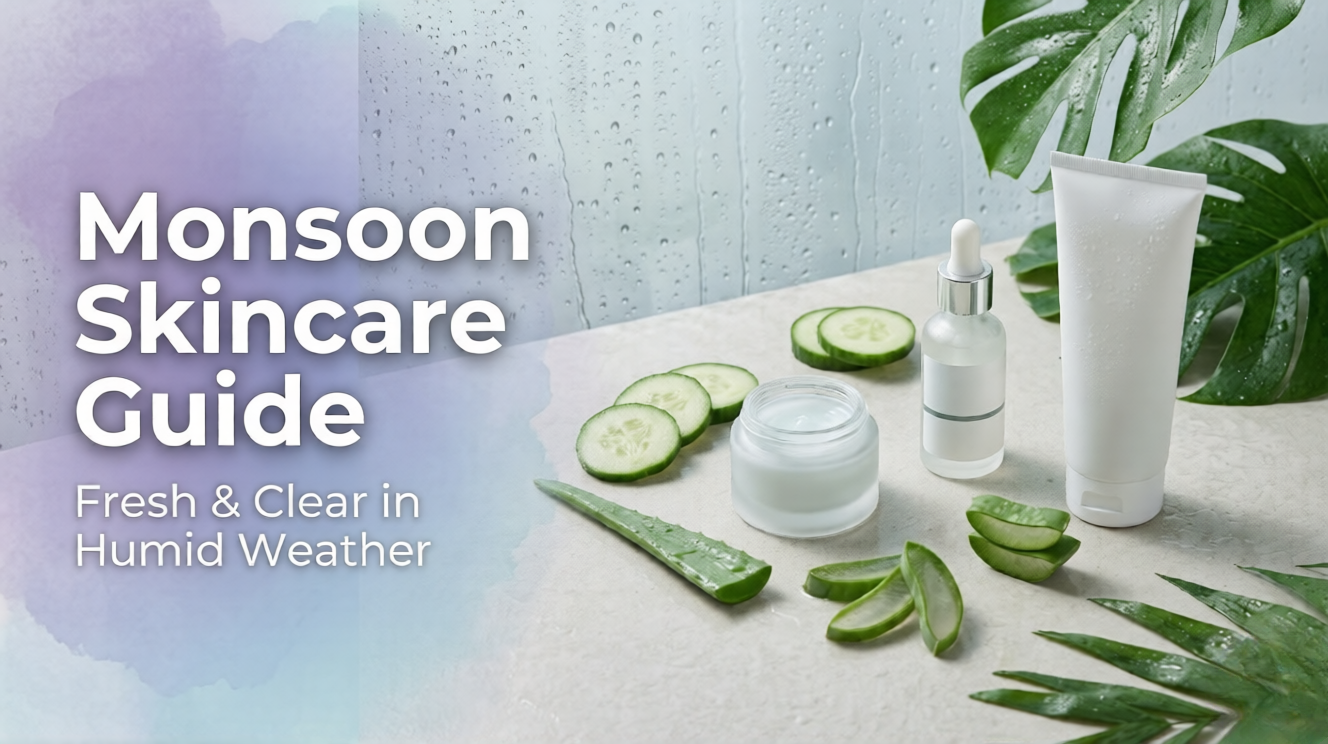
The monsoon season in Bangladesh brings much-needed rain but also poses unique challenges for skin health. High humidity, frequent rainfall, and increased microbial activity can lead to excess oiliness, acne, fungal infections, and dullness.
Without proper care, monsoon skin issues can escalate, leading to long-term damage and discomfort. Therefore, a research-backed monsoon skincare routine is essential to maintain clear, hydrated, and resilient skin throughout the season.
This guide provides actionable tips, product recommendations, and preventive strategies to help your skin stay healthy during Bangladesh’s rainy months.
Understanding Monsoon Skin Challenges
Monsoon brings humidity, heat, and moisture, creating conditions that affect the skin in several ways:
- Excess oil production: Humidity stimulates sebaceous glands, leading to clogged pores and acne.
- Fungal and bacterial infections: Wet conditions and sweat increase the risk of fungal growth and skin irritation.
- Dullness and uneven tone: Moisture and pollution can cause uneven skin texture.
- Sensitivity: Sudden weather changes can trigger redness, irritation, and rashes.
Understanding these challenges is crucial to designing a preventive and restorative skincare routine.
Step 1: Gentle Cleansing
Cleansing is the first line of defence against monsoon-related skin issues:
- Use mild foaming or gel cleansers to remove dirt, sweat, and excess oil.
- Avoid harsh soaps that strip natural oils, as they can trigger excess oil production.
- Cleanse twice daily, especially after outdoor exposure, to reduce microbial buildup.
A proper cleansing routine helps prevent breakouts and maintain skin balance.
Step 2: Exfoliation
Exfoliation removes dead skin cells, prevents clogged pores, and maintains a smooth, healthy texture:
- Frequency: 1–2 times per week to avoid over-exfoliation
- Methods:
- Gentle natural scrubs like oatmeal or rice flour
- Chemical exfoliants like low-concentration AHAs/BHAs
Exfoliating before applying serums and masks enhances absorption and efficacy.
Step 3: Lightweight Hydration
Even in humid conditions, hydration is essential:
- Use water-based moisturisers or gels to prevent oiliness while maintaining moisture.
- Ingredients like aloe vera, glycerin, and hyaluronic acid help lock in hydration without feeling heavy.
- Hydrated skin is more resilient and less prone to irritation and breakouts.
Step 4: Antioxidant and Anti-Inflammatory Protection
Monsoon moisture can amplify oxidative stress and inflammation:
- Topical Vitamin C, green tea extract, and niacinamide protect against environmental damage.
- Anti-inflammatory ingredients such as calendula and chamomile calm redness and sensitivity.
- Regular use strengthens the skin barrier and improves texture.
Step 5: Sun Protection
Even during cloudy monsoon days, UV rays can cause pigmentation and ageing:
- Apply broad-spectrum SPF 30+ daily.
- Lightweight, water-resistant formulations prevent clogged pores and maintain comfort.
- Reapply after heavy sweating or outdoor exposure to ensure continuous protection.
Step 6: Fungal and Acne Prevention
Monsoon conditions increase the risk of fungal and bacterial growth:
- Avoid heavy creams and oils that trap moisture.
- Shower promptly after outdoor activities to remove sweat and pollutants.
- Use antifungal powders or sprays for prone areas if needed.
- Spot treatments with tea tree oil or neem extract prevent breakouts and infections.
Step 7: Masks and Treatments
Masks can help maintain skin clarity and glow during the monsoon:
- Hydrating masks: Aloe vera, cucumber, honey
- Detoxifying masks: Multani mitti or clay-based masks to absorb excess oil
- Brightening masks: Yoghurt and turmeric mixtures
Masks improve texture, hydration, and radiance, keeping skin fresh and healthy.
Step 8: Diet and Lifestyle
Healthy skin during monsoon requires a holistic approach:
- Drink plenty of water to combat internal dehydration.
- Eat antioxidant-rich foods like citrus, berries, and leafy greens.
- Maintain sleep and stress management to support skin recovery.
- Avoid street food and excess sugar that can trigger breakouts.
Common Mistakes to Avoid
- Using heavy creams that trap moisture
- Over-exfoliating or using harsh products
- Neglecting sunscreen due to cloudy weather
- Wearing wet clothes for prolonged periods
Avoiding these mistakes ensures resilient and healthy skin throughout the season.
Long-Term Benefits of Monsoon Skincare
- Maintains even skin tone and texture
- Prevents acne, fungal infections, and irritation
- Supports a strong skin barrier
- Enhances the effectiveness of future skincare routines
Consistent care ensures your skin remains balanced, clear, and radiant, even in challenging monsoon conditions.
Conclusion
Monsoon skincare in Bangladesh requires strategic, research-based routines. Gentle cleansing, lightweight hydration, antioxidant protection, sun protection, and mindful lifestyle practices combine to maintain healthy, glowing, and resilient skin during the rainy season.
By following this guide, you can enjoy the monsoon months without compromising your skin health, keeping it clear, hydrated, and radiant.
FAQs
Is sunscreen necessary during the monsoon?
Yes. UV rays penetrate clouds and can cause pigmentation and ageing.
How often should I cleanse my skin in the rainy season?
Twice daily, especially after outdoor exposure, to prevent breakouts.
Can heavy creams cause problems in humid weather?
Yes. They trap moisture and promote the growth of fungi and bacteria.
Which ingredients are best for monsoon hydration?
Aloe vera, glycerin, hyaluronic acid, and water-based moisturisers.
How can I prevent fungal infections during the monsoon?
Avoid heavy oils, wear dry clothes, and use antifungal powders if needed.
Is exfoliation necessary in the monsoon?
Yes, 1–2 times per week to prevent clogged pores, but avoid over-exfoliating.
Does diet affect monsoon skin health?
Hydration, antioxidants, and balanced nutrition help maintain clear, healthy skin.
Are masks helpful during the monsoon?
Yes. Hydrating, detoxifying, and brightening masks support skin clarity and glow.