

Blog
Post-Pohela Boishakh Skincare: Complete Guide to Repair Sun Damage and Restore Skin Health

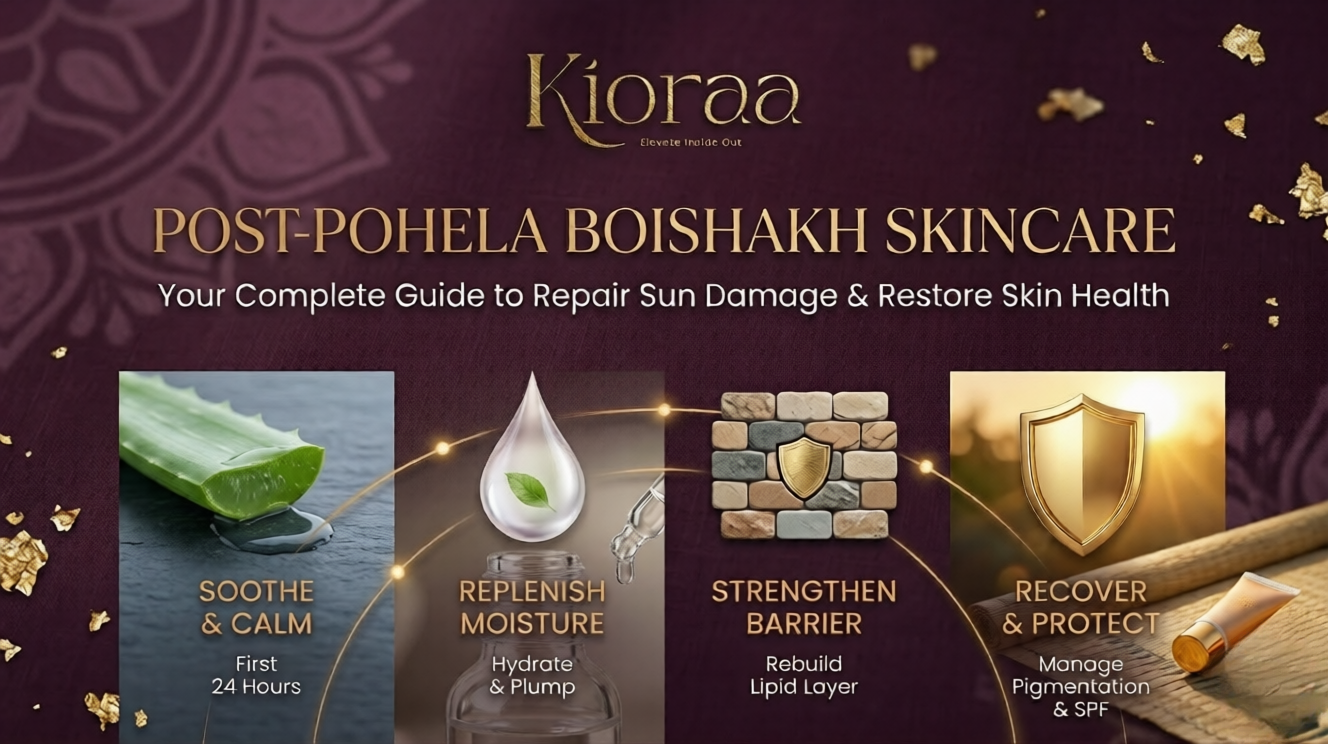
Pohela Boishakh is celebrated outdoors across Bangladesh, often in intense sunlight and high humidity, with prolonged exposure to the elements. While the cultural experience is vibrant, these conditions place significant stress on the skin. Extended exposure to ultraviolet radiation, combined with heat and pollution, can disrupt the skin barrier, accelerate moisture loss, and trigger inflammation.
Post-festival skincare is not simply an optional routine. It is a necessary recovery phase that helps the skin return to a balanced and healthy state. Without proper care, short-term issues such as redness, dehydration, and breakouts can develop into long-term concerns, including uneven skin tone, sensitivity, and premature ageing.
This guide provides a comprehensive, semantically structured recovery approach, covering immediate care, barrier repair, hydration strategies, and pigmentation management in a climate relevant to Bangladesh.
How Sun Exposure and Heat Affect the Skin
Understanding the biological impact of sun exposure helps explain why post-festival care is essential.
Ultraviolet radiation penetrates the skin and triggers oxidative stress. This process weakens collagen structure, disrupts the skin barrier, and increases melanin production, leading to tanning and pigmentation. At the same time, heat exposure increases transepidermal water loss, reducing hydration and compromising elasticity.
Humidity adds another layer of complexity. While it may seem hydrating, it often leads to excess sebum production, which can mix with sweat and environmental particles, clogging pores and causing breakouts.
As a result, the skin after Pohela Boishakh typically experiences a combination of:
- Barrier disruption
- Surface dehydration
- Inflammation and redness
- Oil imbalance and congestion
A structured recovery routine must address all of these concerns simultaneously.
Immediate Skin Recovery: First 24 Hours After Exposure
The first 24 hours are critical for minimising damage and initiating repair.
Cleansing should be approached carefully. A mild, non-stripping cleanser helps remove sweat, sunscreen residue, and environmental impurities without further weakening the skin barrier. Harsh cleansers or aggressive scrubbing can worsen irritation and delay recovery.
Following cleansing, the skin requires immediate soothing. Ingredients such as aloe vera, centella asiatica, and panthenol are widely recognised for their calming properties. These help reduce redness, cool the skin surface, and minimise UV-induced inflammation.
Hydration should begin at this stage as well. Lightweight hydrating toners or essences support moisture replenishment and prepare the skin for deeper treatment layers.
Restoring Hydration and Moisture Balance
One of the most immediate effects of sun exposure is dehydration. Even oily skin types can experience internal dryness, which often leads to increased oil production as a compensatory response.
Hydration at this stage must focus on both water retention and moisture sealing. Humectants such as hyaluronic acid draw water into the skin, improving plumpness and elasticity. However, hydration alone is not sufficient. A lightweight moisturiser is necessary to lock in moisture and prevent further water loss.
Consistent hydration improves overall skin texture, reduces tightness, and creates a healthier environment for repair processes to function effectively.
Repairing the Skin Barrier After Environmental Stress
The skin barrier plays a central role in protecting against external damage and maintaining internal balance. After prolonged exposure to the sun and heat, this barrier becomes compromised.
Barrier repair requires targeted ingredients that rebuild and strengthen the skin structure. Niacinamide supports barrier function while helping regulate oil production. Ceramides restore the lipid layer, which is essential for maintaining hydration and resilience. Peptides contribute to skin repair and overall structural integrity.
This phase is essential not only for recovery but also for preventing sensitivity, irritation, and long-term damage.
Managing Pigmentation and Uneven Skin Tone
Uneven skin tone is a common result of UV exposure. Increased melanin production can lead to visible tanning and dark spots if not addressed early.
Once the skin has stabilised and irritation has reduced, brightening ingredients can be introduced gradually. Vitamin C is widely recognised for its antioxidant properties and ability to improve skin clarity. It helps reduce oxidative stress while supporting a more even complexion.
It is important to avoid strong exfoliating acids immediately after sun exposure. The skin should first regain its strength before introducing more active treatments.
The Role of Continuous Sun Protection in Recovery
Recovery does not end after the festival. Continued sun exposure without protection can reverse progress and worsen existing damage.
Daily sunscreen use is essential during the recovery phase. Broad-spectrum protection helps prevent further UV-induced stress and supports effective skin healing. Consistent application also reduces the risk of persistent pigmentation and uneven tone.
Sun protection should be considered a core component of both recovery and long-term maintenance of skin health.
What to Avoid During the Recovery Phase
During recovery, the skin is more sensitive and reactive. Certain practices can delay healing or cause additional damage.
Over-exfoliation can weaken the already compromised barrier. Heavy, oil-based products may clog pores and lead to breakouts. Introducing multiple new active ingredients increases the risk of irritation.
A simplified, consistent routine is more effective than an aggressive or experimental approach.
Conclusion
Post-Pohela Boishakh skincare is a critical phase that determines how well the skin recovers from environmental stress. A structured approach focused on soothing, hydration, barrier repair, and gradual brightening helps the skin return to a healthy, balanced state.
Rather than treating skincare as a one-day effort, consistent care in the days following the festival supports long-term skin resilience. With the right routine, the skin can recover efficiently, maintaining clarity, hydration, and a naturally refined appearance.
FAQs
How long does it take for skin to recover after sun exposure?
Recovery time depends on the level of damage, but mild cases typically improve within several days with proper care.
Should exfoliation be avoided completely after the festival?
Exfoliation should be paused initially and reintroduced gradually once the skin barrier has stabilised.
What is the most important step in post-festival skincare?
Hydration and barrier repair are the most critical components of recovery.
Can oily skin also become dehydrated after sun exposure?
Yes. Dehydration can occur in all skin types, including oily skin.
When should brightening products be introduced?
They should be introduced after irritation and sensitivity have reduced.
Is sunscreen necessary during recovery even if staying indoors?
Yes. UV exposure can still occur indoors, making daily protection important.
What ingredients should be avoided immediately after sun exposure?
Strong acids and harsh exfoliants should be avoided during the initial recovery phase.
How can redness be reduced quickly?
Soothing ingredients such as aloe vera and centella asiatica help calm inflammation.


3 thoughts on “Post-Pohela Boishakh Skincare: Complete Guide to Repair Sun Damage and Restore Skin Health”